Embedded inside the mission.
Astrion engineers, integrates, tests and sustains complex systems across defense, space and critical infrastructure. Embedded with operators and program teams, we connect mission requirements, technical architectures and evidence from test to support decisions across the lifecycle.
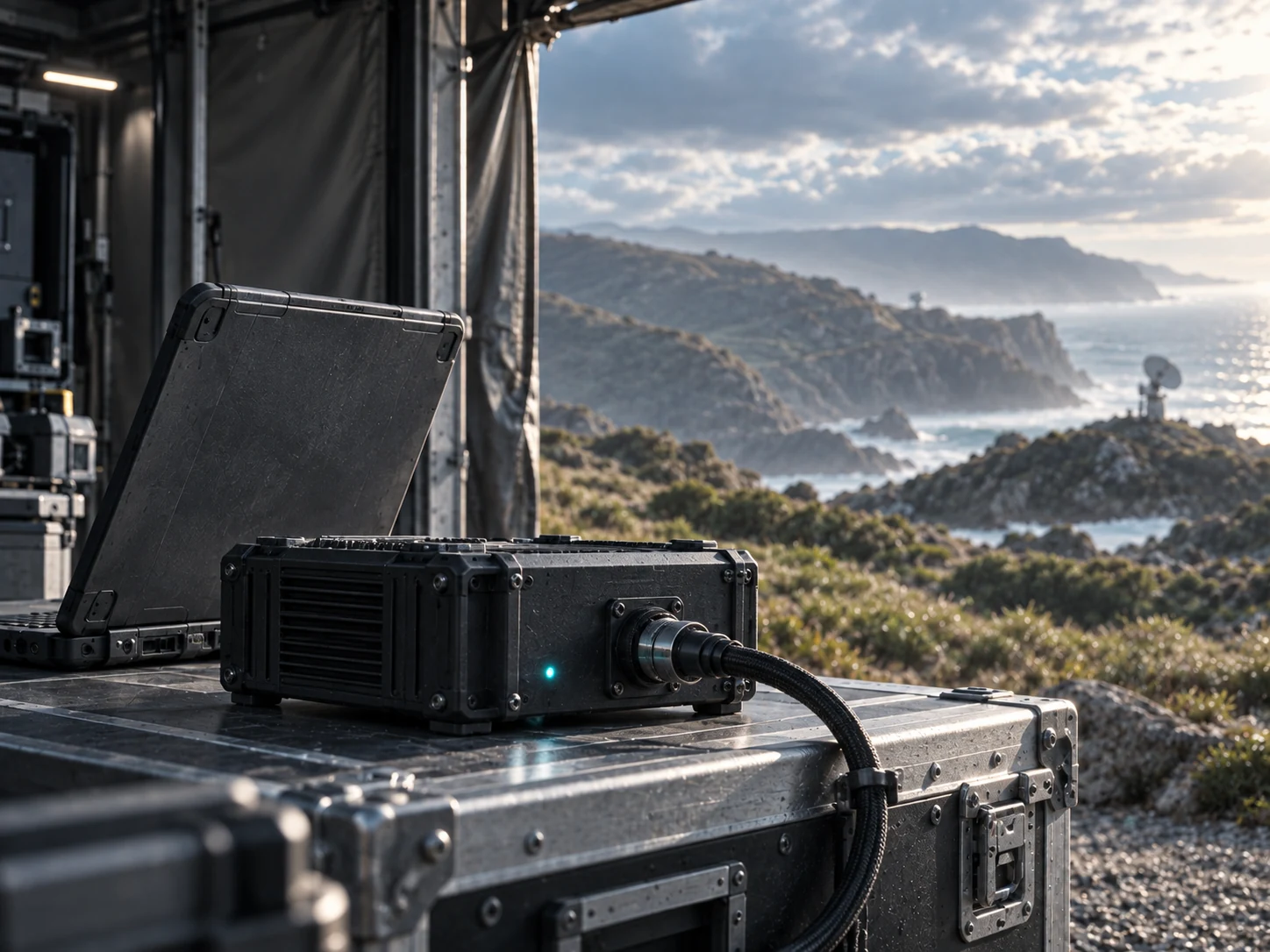
Layered Defense, Autonomous Warfare + Integrated Fires
Connect sensors, autonomous platforms and fires across a layered defense.
Operational capability depends on the interfaces between sensing, command systems, platforms and effects. Astrion brings counter-uncrewed aircraft systems (C-UAS) test, training and evaluation experience together with mission engineering to assess how those elements perform as an integrated system. Our work connects field conditions, system requirements and evidence from test, with execution authority retained by customers and operators.
See Edge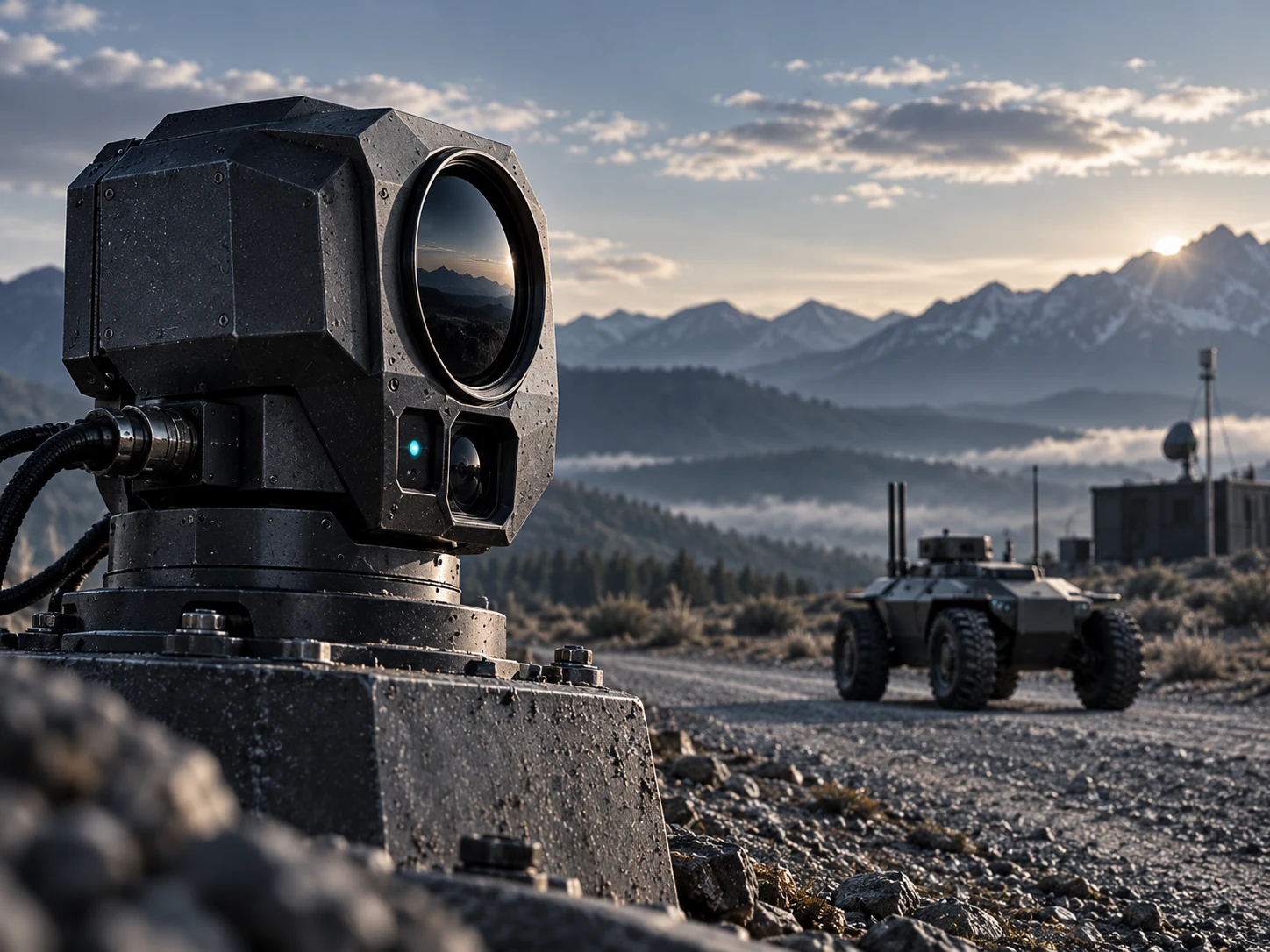
Layered defense
Evaluate detection, tracking, command-and-control and effector interfaces across complementary defensive systems. Operational scenarios and test evidence help identify gaps between individual equipment performance and the wider defense architecture.
Autonomous system integration
Integrate sensors, software, communications and payloads with crewed and uncrewed platforms. Assess interoperability and system behavior under the bandwidth, environmental and operational constraints of the intended mission.
Integrated fires
Model the relationships between sensor observations, targeting information, command nodes and effectors. Evaluate data exchange and interfaces across legacy and newer systems to inform integration and test.
Integrated Air + Missile Defense
Evaluate the full defense architecture against the threat.
Integrated air and missile defense (IAMD) brings sensors, battle management, command and control, and effectors into a connected defense. Astrion applies threat engineering, physics-based modeling, simulation and test to examine those relationships. We help customers compare architectures, understand assumptions and evaluate system performance against representative air and missile threats.
How Orchestration works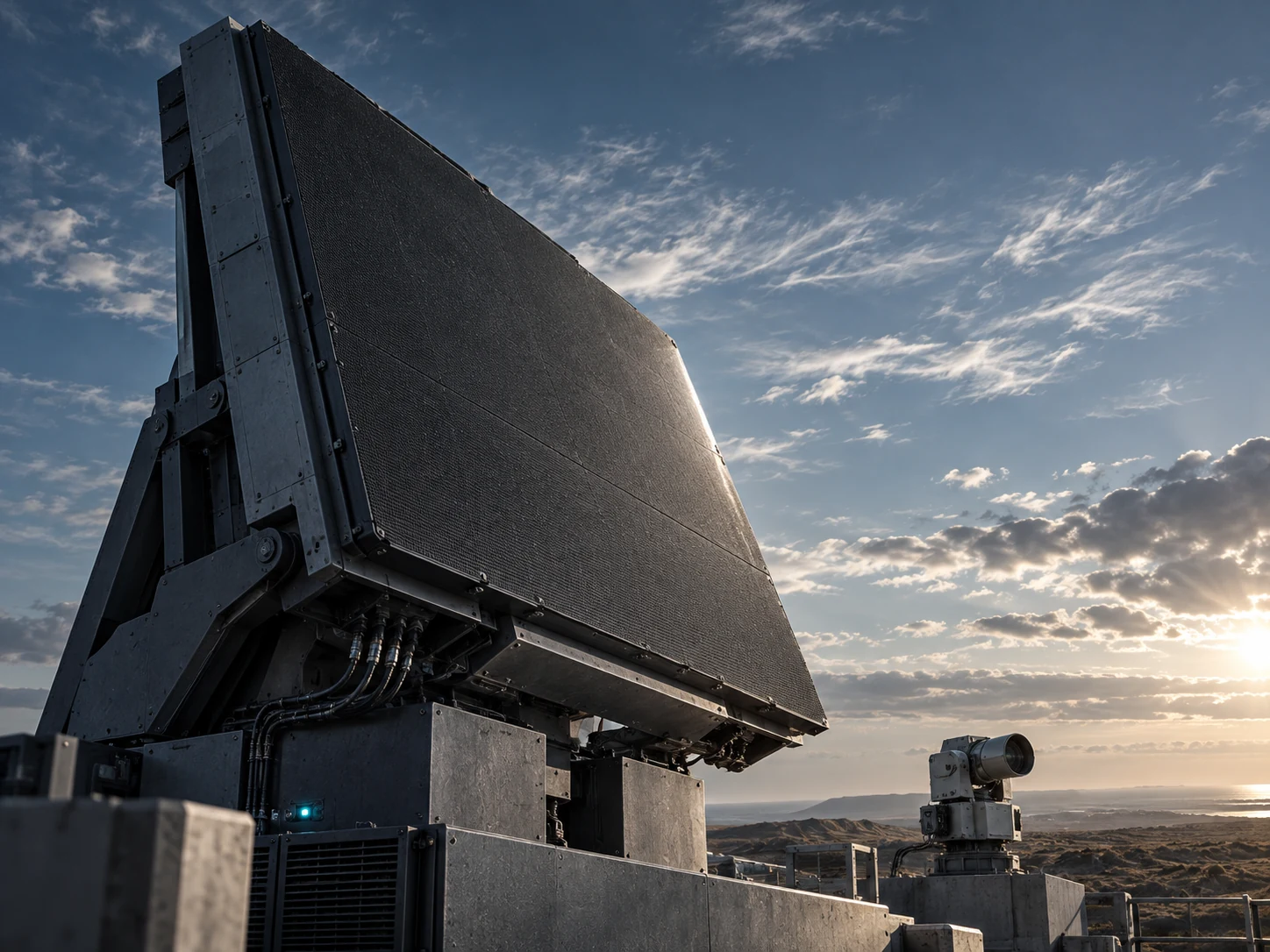
Threat and signature modeling
Characterize threat behavior, trajectories and radio-frequency (RF) and infrared (IR) sensor signatures to support realistic analysis. Models give engineering teams a consistent basis for examining detection, tracking and engagement performance.
Sensor fusion and battle management
Assess how sensor observations, tracks and command-and-control data move through the architecture. Modeling and integration testing help evaluate interoperability and the information available to decision-makers.
Effector and architecture assessment
Use trajectory analysis and system-of-systems simulation to compare defensive configurations and examine kinetic and non-kinetic effector integration. Connect analysis results to verification and test planning.
Lifecycle Management + Cyber Warfare
Sustain readiness as systems, software and threats change.
Fielded systems must evolve without losing the performance and assurance their users depend on. Astrion connects lifecycle engineering, test and evaluation, sustainment and cybersecurity across that process. Digital models, operational feedback and verification evidence help program teams understand the implications of a change before introducing it into the wider system.
Engineering + Modeling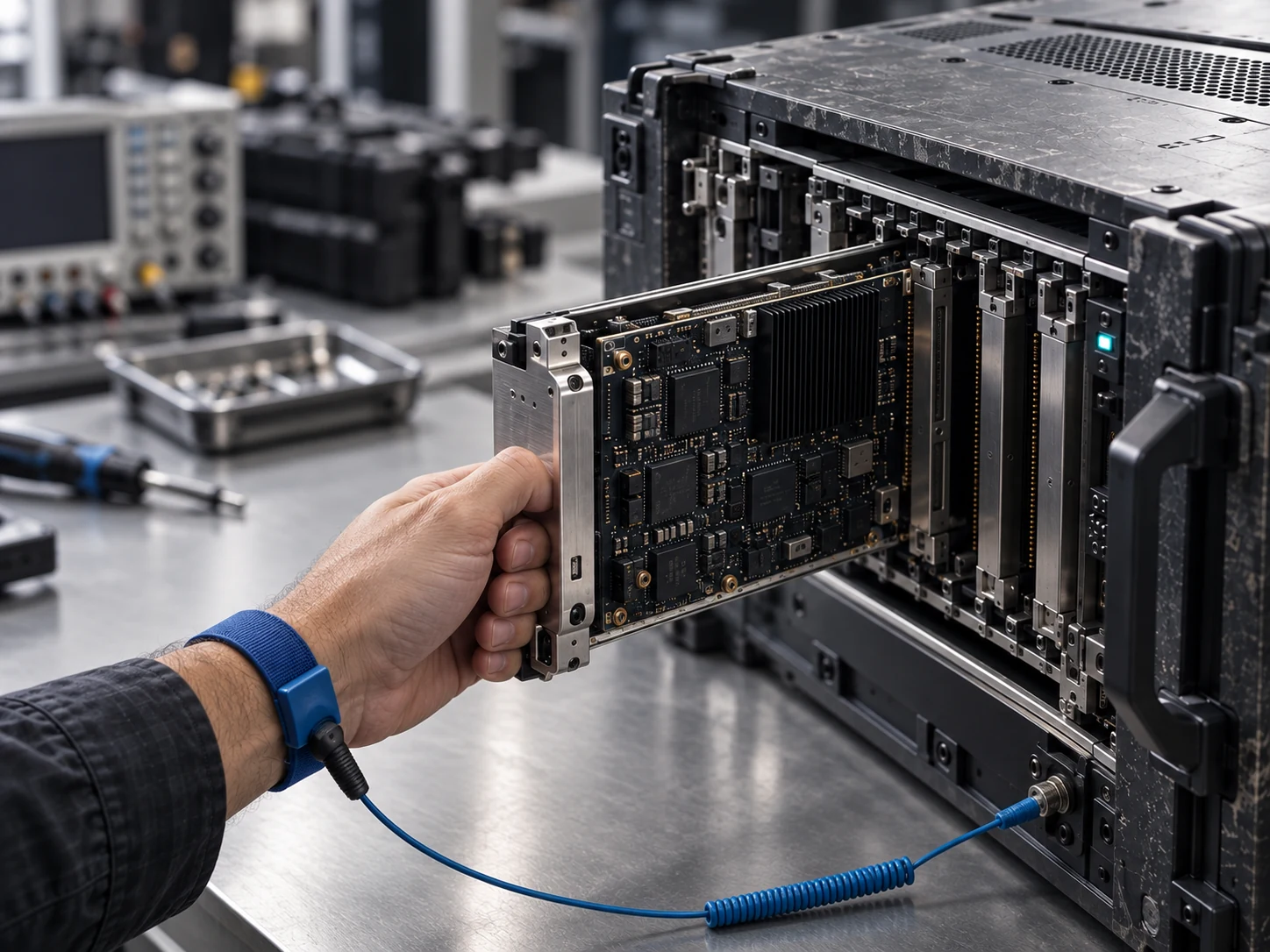
Test, evaluation and training
Combine live, virtual and constructive environments with modeling and simulation to evaluate system performance and rehearse operational scenarios. Adaptive test approaches focus evidence gathering on changing requirements and technical risk.
Sustainment and modernization
Use model-based systems engineering (MBSE), integration and verification to manage hardware and software changes. Relate requirements, configuration and test evidence to readiness decisions as legacy systems gain new capabilities.
Cyber assessment and resilience
Assess vulnerabilities, supply-chain risk and security requirements across mission systems. Cyber testing, training, incident response and recovery support the ability to maintain and restore operations.
Critical Infrastructure Resilience
Maintain continuity across the systems essential services depend on.
Critical infrastructure resilience extends from understanding dependencies and reducing risk to operating through disruption and recovering service. Astrion applies systems engineering, safety, test and cybersecurity across transportation, energy and the defense industrial base. We connect physical and digital system considerations to the decisions made by operators, engineering teams and infrastructure owners.
Connected Architecture: Orchestration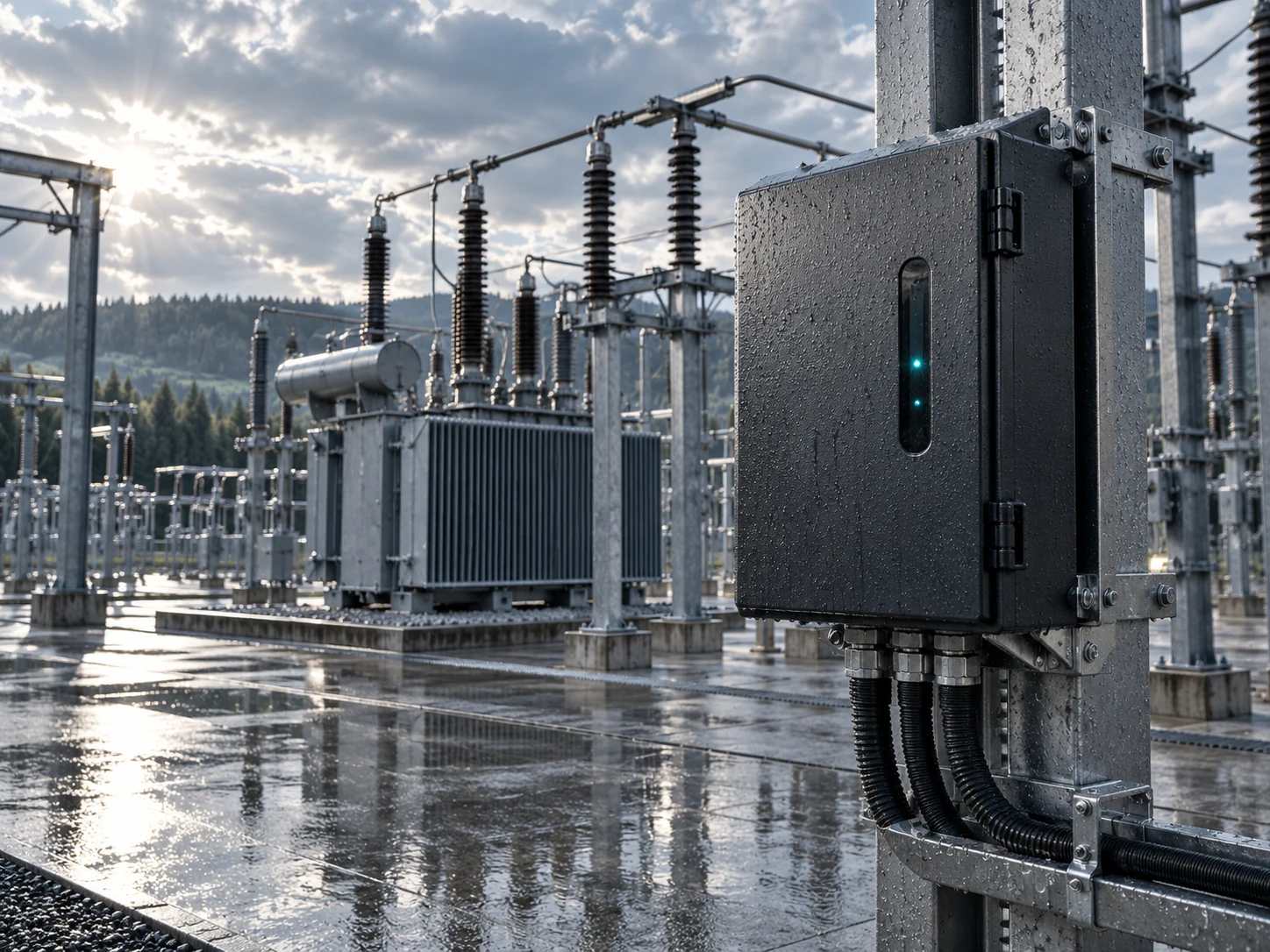
Transportation systems
Support complex aviation and transportation environments through automation, human factors, systems integration and operational testing. FAA experience informs the engineering and assurance needed to introduce change into interconnected, safety-critical systems.
Energy systems
Apply cybersecurity assessment, engineering review, audit and training experience to high-consequence energy environments. Evaluate the relationship between digital controls, safety requirements and reliable operation.
Defense industrial base
Examine dependencies across facilities, production systems and their supporting infrastructure. Assess cyber-physical risk, degraded operating conditions and recovery needs to inform continuity and readiness decisions.
Space Warfighting
Connect the space enterprise from mission requirements to operations.
Space capability depends on the performance of an entire mission: spacecraft, payloads, launch, ground systems, communications and the teams operating them. Astrion provides engineering, integration, test and mission support across these interfaces. Requirements traceability, configuration control and system-level verification help connect individual technical decisions to the intended operational result.
PAMI-1 spotlight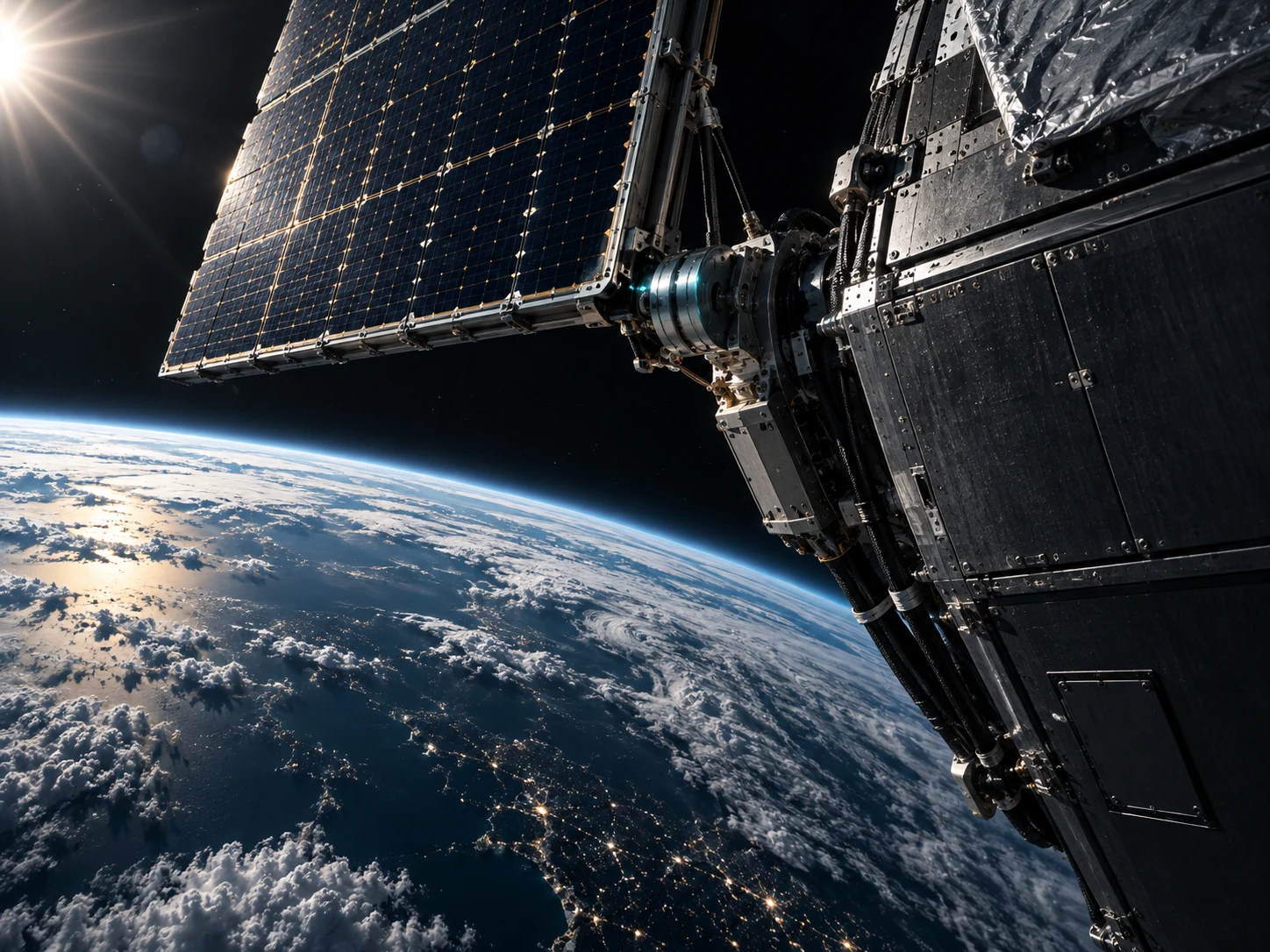
Global mission operations
Support the integration of vehicles, payloads, ground systems and mission data. Bring an end-to-end engineering view to sensing, tracking, communications and operational readiness.
Space access and assurance
Apply launch-vehicle verification, validation, test analysis and risk assessment to space access. Assess requirements and interfaces across launch, payload integration and ground operations.
Space control and mission analysis
Use modeling, simulation and systems engineering to examine the connections between space operations, communications and command and control. Evaluate technical dependencies and operational constraints across the mission architecture.
Exploration + Lunar Presence
Prove integrated capability before it leaves Earth.
Exploration places demanding conditions on flight hardware, software and the interfaces between them. Astrion supports launch, ground and exploration programs through modeling, integration, test, risk analysis and mission assurance. Our work helps teams evaluate performance before deployment and develop the engineering evidence needed for future sustained lunar operations.
Integration + Test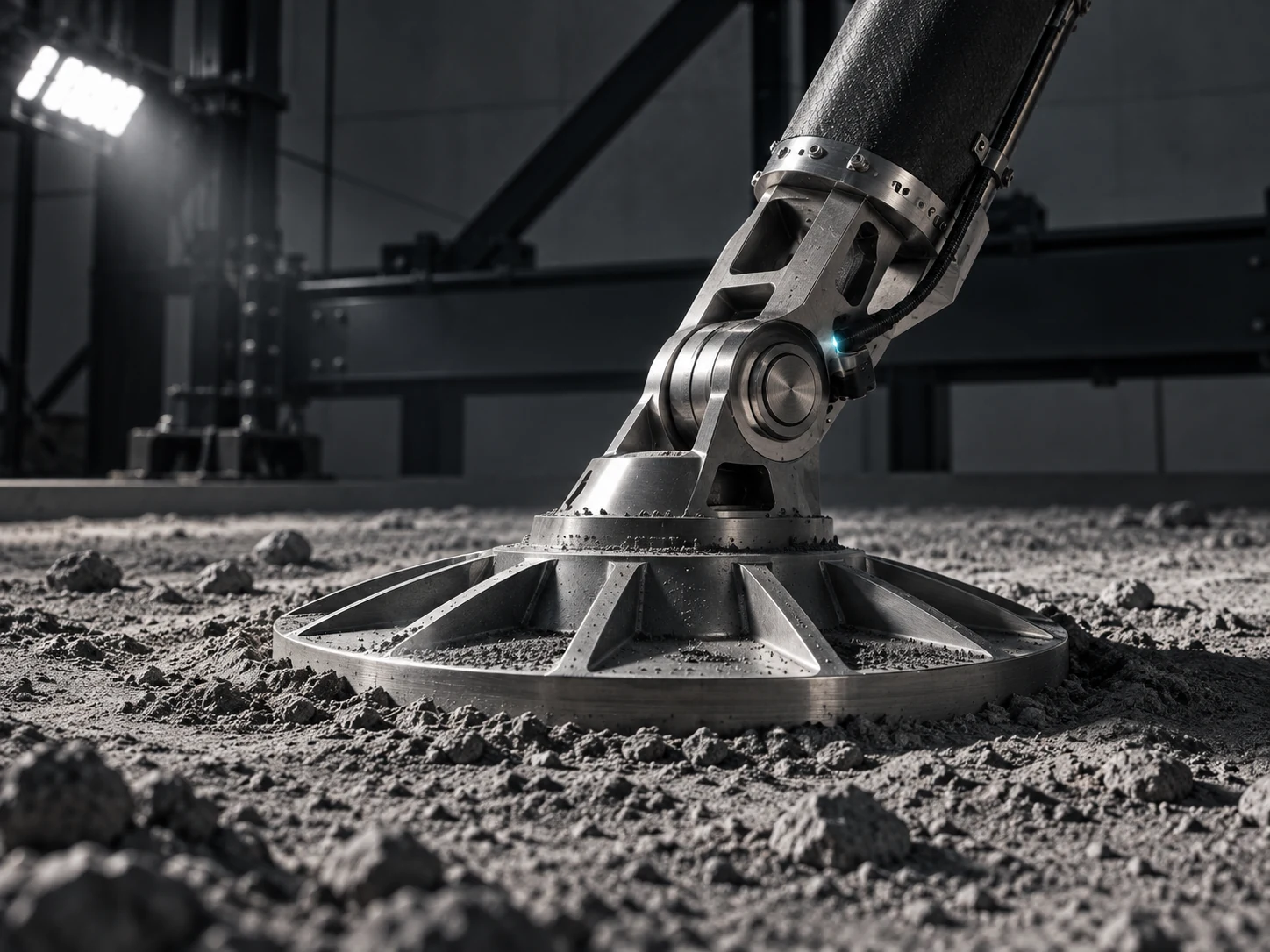
Launch and mission readiness
Evaluate safety-critical interfaces across flight and ground systems, supported by trajectory analysis, hazard assessment and verification. Connect engineering findings to readiness decisions across multi-provider programs.
Integrated testing and simulation
Use hardware-in-the-loop (HWIL) and software-in-the-loop (SWIL) testing to examine how flight avionics, software and connected systems behave together. Simulation, fault injection and environmental validation help expose interactions before flight.
Lunar surface research
Support research into mobility, excavation and additive manufacturing using simulated lunar regolith. This ground-based work helps develop and evaluate technologies for future surface infrastructure and operations.